Turning Troubleshooting Into Training
Learn how field service knowledge can support both onsite troubleshooting and technician training, helping teams improve readiness, consistency and resolution.

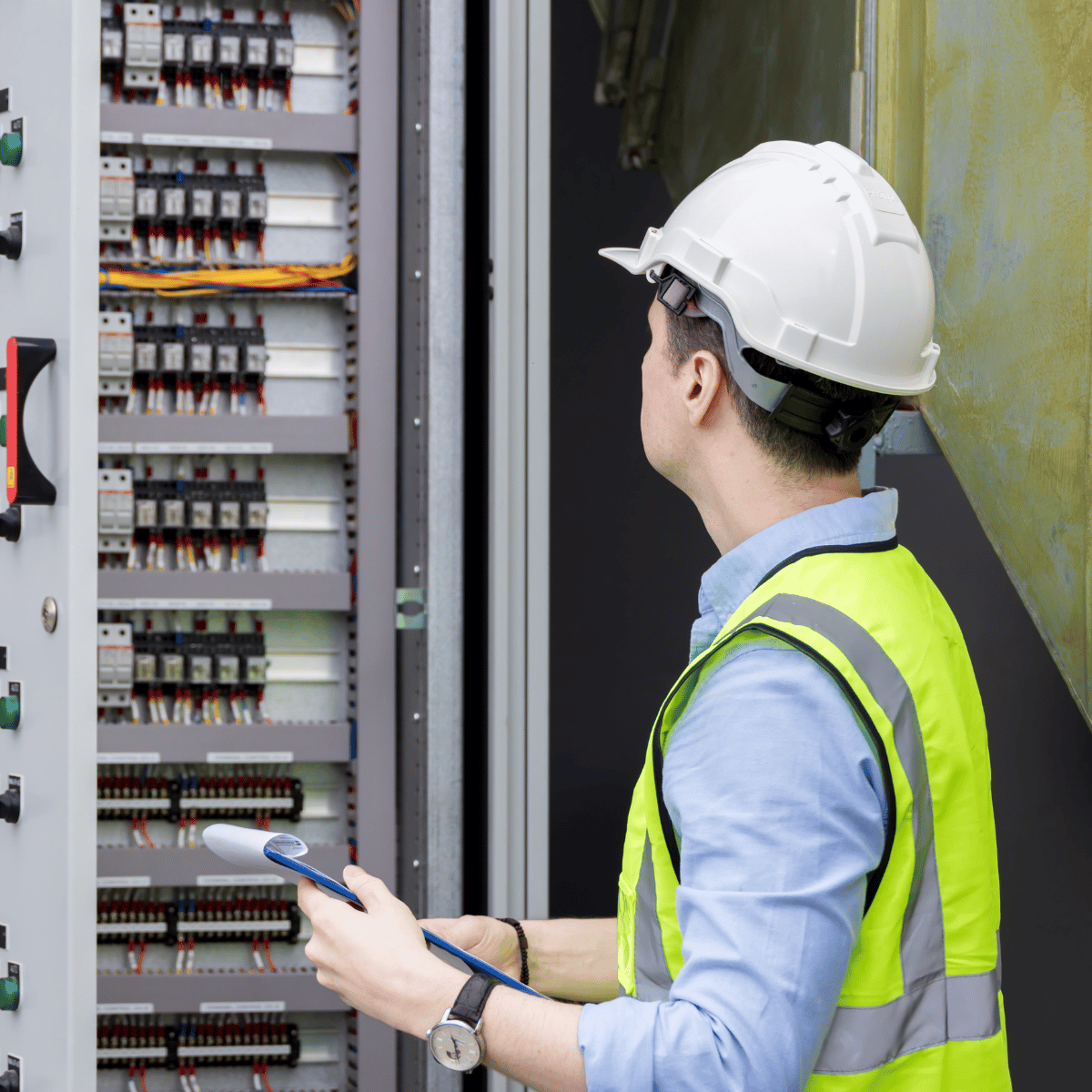
Most field service organizations have accumulated a large amount of knowledge, ranging from manuals, procedures, training videos, service notes, tickets, work instructions as well as years of experience sitting with senior technicians.
However, field service knowledge often lives in disconnected places and is used inconsistently.
For example, a troubleshooting guide might help a technician during a repair, then sit untouched until the next similar job. A training video might run once during onboarding and never resurface, even though a technician may actually need it months later. Often, the same information ends up doing only one job when it could be doing two or even more.
Service knowledge should not sit only in documents or get used during escalations. To be most effective, this information should be able to support both technician readiness and technician resolution.
Training and troubleshooting usually live in separate systems
In most organizations, training and fieldwork are treated as two different problems with separate toolsets. Training happens in an LMS, a binder, a classroom session or a shadowing process. However, troubleshooting happens through manuals, expert phone calls, work notes or whatever a technician remembers from the last time they encountered a similar issue.
That separation creates a practical problem. Technicians are trained in one context and then expected to perform in another. The scenarios covered in onboarding do not always match what shows up on a service call six months later, and the knowledge gained on that service call rarely makes its way back into training content.
Neither system is wrong on its own. The issue is that they operate independently, even though they are drawing from the same underlying knowledge. Training and troubleshooting should be more well connected.
The same knowledge can support both moments
A troubleshooting guide used onsite can also become the basis for a training module. A repair video recorded for one job can double as a refresher for technicians who have not seen that equipment recently. A recurring escalation on a specific issue is often a sign that training missed something, not that the technician did.
Consider a few common scenarios:
- A new technician learning to diagnose a frequent equipment issue for the first time.
- A team that needs refresher training after the same mistake shows up on multiple jobs.
- A supervisor trying to identify the exact steps technicians most often skip or get wrong.
- A service organization looking to turn field experience into guidance the next technician can use.
In each of these cases, the knowledge that helps a technician resolve an issue onsite is often nearly the same knowledge that could have helped them prepare for it. Right now, most field service organizations do not connect the two.
Why this matters for technician readiness
Field service teams are dealing with real pressure: experienced technicians retiring or moving on, staffing gaps, more complex equipment and rising expectations for first-time fix rate. Training must help new technicians become productive faster, and it has to stay current as equipment, procedures and customer needs change.
The most important moment in a service interaction often happens after the technician has already arrived onsite, at the point when they need to decide what to do next. That decision is shaped by how well-prepared the technician was walking in the door, which ties into both training and support.
Connecting training and troubleshooting more closely can help with:
- Faster onboarding for new technicians.
- More consistent performance across the team.
- Fewer avoidable repeat visits.
- Better retention of institutional knowledge.
- Less dependence on the same senior experts for every hard call.
- More confidence before technicians are sent onsite.
AI can help make existing knowledge more usable
Organizations don’t need to create new knowledge to connect training and troubleshooting. Rather, most of what technicians need already exists somewhere. But much of this knowledge is often buried in long documents, scattered across disparate systems or stored in a format that only makes sense to whoever wrote it.
AI can help turn existing knowledge and materials, including manuals, training videos, work notes and procedures, into guidance that is both easier to locate and apply to a specific scenario. This guidance can support a technician troubleshooting an issue in the field, while the same content can be used for onboarding or refresher training. The value in using AI is not in generating new information but rather making knowledge that already exists more usable, wherever it is needed.
Every job can improve the next one
Service interactions generate learning signals whether or not anyone is looking for them. If technicians keep escalating the same issue, skipping the same step or struggling with the same piece of equipment, that pattern says something about the guidance and training in place, not just about the individual job.
Field service knowledge should not sit still once it is created. It should improve as teams learn from the work itself, so the next technician who runs into that issue has a better starting point than the last one did.
Where ResolveGrid fits
ResolveGrid helps field service teams connect knowledge, visual context, AI guidance and expert escalation inside the technician workflow. That same connected knowledge foundation can also help organizations think differently about technician readiness, training and continuous improvement, not as separate initiatives, but as extensions of the same underlying challenges.
Building a more connected approach to field service knowledge
Troubleshooting and training are not two different problems. They are two moments where the same knowledge needs to reach the right person in a usable format. Organizations that start treating them that way are better positioned to close experience gaps, support technicians earlier and get more value out of the knowledge they already have.
Want a practical framework for applying AI at the point of work? Download AI for Frontline Field Service: A Practical Guide to Reducing Repeat Visits and Improving Resolution to learn how AI guidance, visual context and expert escalation can support technicians onsite.
See it on your equipment
Early ResolveGrid customers cut dispatches by up to 50%. A 30-minute demo on a unit you service shows you how, with no commitment. Not ready for a demo? Start with the free guide.
Subscribe to our
email newsletter



.png)